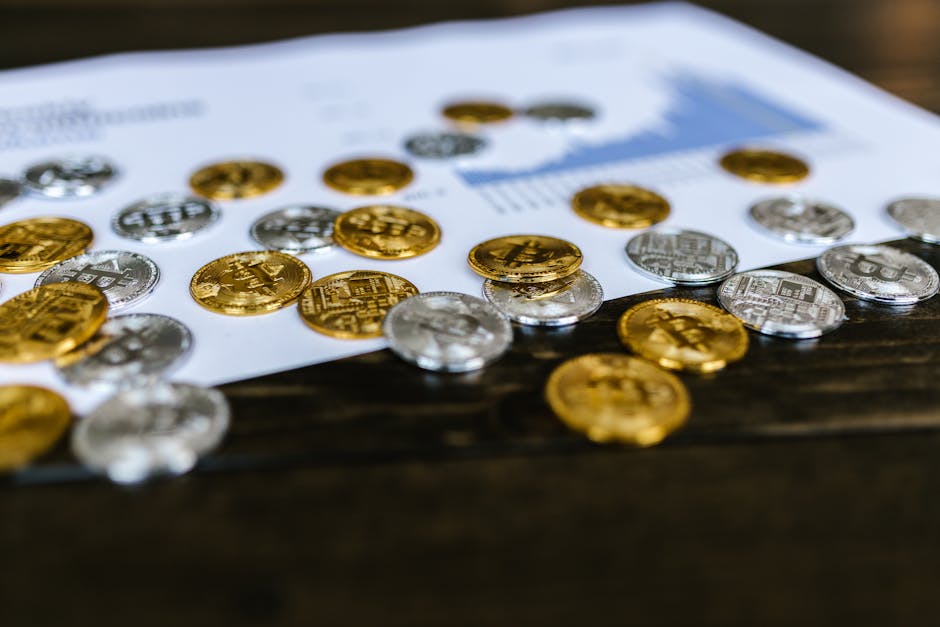
Gold and Silver Market Update: September 19, 2026
The gold and silver market has seen a relatively flat performance on September 19, 2026, with both metals trading around unchanged levels. The live spot data is as follows:
| Metal | Price (USD) | Change | % Change | Day High | Day Low |
|---|---|---|---|---|---|
| Gold (XAU) | 4377.00 | $0.00 | 0.00% | $4420.77 | $4333.23 |
| Silver (XAG) | 566.13 | $0.00 | 0.00% | $571.79 | $560.47 |
Technical Analysis: Gold
Gold has been trading in a tight range, oscillating between its 50-day and 200-day moving averages (MA). The price action indicates a stalemate between bulls and bears, with neither side able to gain significant traction.
Key support levels for gold are at $4330.00, where it found a floor on multiple occasions this year. A break below this level could lead to further declines towards $4200.00 or even $4100.00. On the upside, resistance lies around $4420.00, which has been tested several times in recent weeks.
The Relative Strength Index (RSI) is neutral at 50, indicating that gold's price momentum is neither overbought nor oversold. This neutral reading could be an opportunity for traders to take a contrarian view and buy into the market.
Macro Analysis: Gold
The macroeconomic backdrop remains supportive of gold prices, driven by concerns about inflation, yield curve steepening, and central bank policies. The US Federal Reserve's (Fed) decision to maintain its hawkish stance has kept investors on edge, fueling demand for safe-haven assets like gold.
Gold's positive correlation with the 10-year Treasury bond yield continues, as seen in recent weeks. As yields rise, so does gold prices, reflecting investors' concerns about inflation and the value of their fiat currencies.
Technical Analysis: Silver
Silver has also been trading within a narrow range, oscillating between its MA lines. Similar to gold, silver's price action suggests a standoff between buyers and sellers.
Support levels for silver are at $560.00, where it found support on several occasions in the past month. A break below this level could lead to further declines towards $545.00 or even $530.00. On the upside, resistance lies around $571.00, which has been tested multiple times in recent weeks.
The RSI for silver is also neutral at 50, indicating that the metal's price momentum is neither overbought nor oversold. This reading provides an opportunity for traders to take a contrarian view and buy into the market.
Macro Analysis: Silver
Silver's performance is closely tied to gold's, as well as industrial demand from sectors like electronics and solar panels. The decline in silver prices has been largely driven by weak sentiment and profit-taking, rather than fundamental changes in supply or demand.
However, silver's relationship with gold remains strong, as seen in recent weeks. As investors rebalance their portfolios and take profits, silver prices are likely to follow suit, potentially leading to a short-term sell-off.
Trading Bias
Based on the technical and macro analysis, our short-term trading bias for both metals is Hold.
For gold, we believe that the current range-bound action will continue, with prices oscillating between $4330.00 and $4420.00. We expect the Fed's continued hawkish stance to maintain inflation concerns and keep gold prices elevated.
For silver, we anticipate a short-term sell-off driven by weak sentiment and profit-taking. However, our medium-term outlook remains bullish, reflecting the metal's strong relationship with gold and industrial demand.
Key Support and Resistance Levels
| Metal | Key Support | Key Resistance |
|---|---|---|
| Gold (XAU) | $4330.00 | $4420.00 |
| Silver (XAG) | $560.00 | $571.00 |
Actionable Insights and Risk Management Reminders
As investors, it's essential to remain vigilant and adapt to changing market conditions. We recommend:
- Monitoring gold and silver prices closely, as they are highly correlated.
- Maintaining a diversified portfolio that includes both metals.
- Being cautious when trading in the short-term, given the high level of volatility.
Remember to always manage your risk exposure by setting stop-loss orders and adjusting position sizes accordingly. It's also essential to stay informed about market developments, central bank policies, and economic data releases that may impact metal prices.
By Malik Abualzait
Comments
Post a Comment