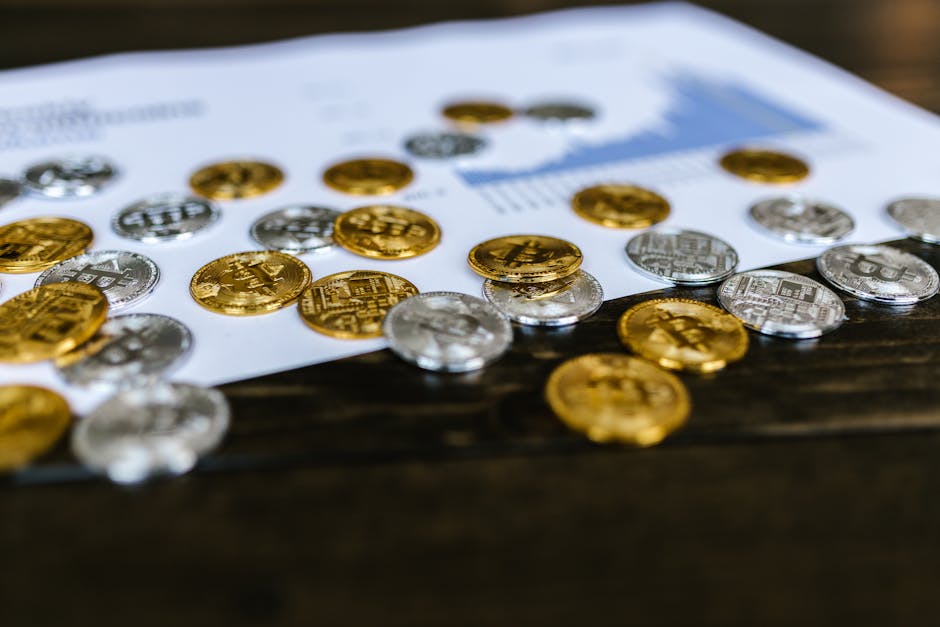
Gold and Silver Analysis: October 18, 2026
Today's live gold and silver spot data shows that both metals have remained largely unchanged, with gold trading at $4,164.10 and silver at $556.87. The lack of movement in prices suggests a stable market environment, but this stability may be short-lived as underlying macroeconomic drivers continue to influence investor sentiment.
Gold (XAU) Analysis
Technical Analysis
The technical picture for gold is characterized by a consolidation phase, with the price hovering around the 50-day moving average. The Relative Strength Index (RSI) indicates that gold is trading in a neutral range, neither overbought nor oversold. The Bollinger Bands are contracting, suggesting increased volatility may be on the horizon.
Macro Analysis
The macroeconomic environment remains supportive of gold's price momentum. Inflation expectations have stabilized, and interest rates are expected to remain low for an extended period. Central banks continue to maintain accommodative monetary policies, reducing the attractiveness of holding cash and increasing demand for safe-haven assets like gold.
However, the recent decline in gold prices may be attributed to improving risk appetite among investors. The 10-year Treasury yield has increased, making gold less attractive as a hedge against inflation. Furthermore, the strengthening US dollar has also weighed on gold prices, as a weaker greenback typically boosts demand for dollars and reduces demand for gold.
Trading Bias
Our short-term trading bias for gold is Hold, as the market seems to be in a state of flux. We recommend waiting for clear breakouts or support/resistance levels before taking positions. Key support levels include $4,122.46 (day low), while resistance lies at $4,205.74 (day high).
Silver (XAG) Analysis
Technical Analysis
The technical picture for silver is more bearish than gold's, with the price trading below its 50-day moving average. The RSI indicates that silver is overbought, suggesting a potential correction in the near future.
Macro Analysis
Silver's macroeconomic environment is influenced by its strong correlation with gold and industrial demand. While inflation expectations have stabilized, silver prices remain sensitive to changes in global economic growth and interest rates.
However, the recent decline in silver prices may be attributed to improving risk appetite among investors, similar to gold. The strengthening US dollar has also weighed on silver prices, as a weaker greenback typically boosts demand for dollars and reduces demand for silver.
Trading Bias
Our short-term trading bias for silver is Sell, as the market seems overbought and due for a correction. We recommend selling at current levels or near key resistance of $562.44 (day high). Key support lies at $551.30 (day low).
| Metal | Price (USD) | Change | % Change | Day High | Day Low |
|---|---|---|---|---|---|
| Gold (XAU) | 4164.10 | 0.00 | 0.00% | 4205.74 | 4122.46 |
| Silver (XAG) | 556.87 | 0.00 | 0.00% | 562.44 | 551.30 |
Actionable Insights and Risk Management Reminders
- Investors should be cautious of the potential correction in silver prices, which may lead to a reversal in its price momentum.
- Gold prices are likely to remain stable in the near term, but investors should be prepared for potential breakouts or support/resistance levels.
- Central banks' accommodative monetary policies will continue to support gold prices, while improving risk appetite among investors may weigh on both metals.
Risk management is essential when trading precious metals. Investors should diversify their portfolios and maintain stop-loss orders to mitigate losses in case of market corrections.
By Malik Abualzait
Comments
Post a Comment